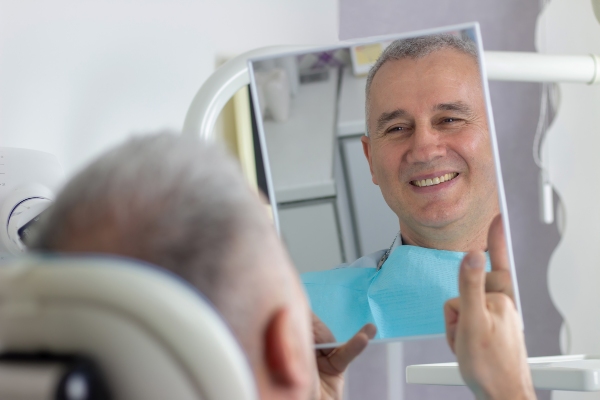
 Dental fillings are used to restore teeth that have decay or damage. This procedure restores a tooth's strength, function, and appearance. Fillings close off the cavity, preventing bacteria from getting into the tooth and causing more damage. During the treatment, the dentist will remove the decayed area of the tooth, clean it, and apply the filling material. The filling material typically matches the tooth and is indistinguishable.
The lifespan of dental fillings
After getting fillings, patients will need to keep up with regular dental appointments to monitor the filling and know when to replace them. That said, dental fillings can last between five to 15 years or more. Several factors affect the durability of the dental filling, including:
The filling’s size and location
How long a tooth filling lasts depends on where and how big it is. Fillings in high-stress areas from chewing wear out more quickly than fillings in low-stress areas. For example, a filling on the molars and premolars will wear down much more quickly, due to the biting force applied to them while eating.
Oral hygiene routine
Good oral hygiene helps prolong the life of the dental fillings. Poor oral health habit is the major reason most people need to get fillings in the first place. After undergoing the restorative procedure, many patients might be a lot more motivated to take their oral health more seriously. Good diet and lifestyle habits help oral health, along with routine flossing and brushing and preventative treatments like fluoride treatments and dental exams.
Type of fillings
Fillings come in many varieties, each with a different lifespan. Amalgam fillings are created from a combination of metals and can last for up to 15 years. Composite fillings are made of resin, look like natural teeth, and can last between five to 10 years. Ceramic fillings are natural-looking and strong, and have a lifespan of up to 15 years or more. Glass ionomers are used primarily for baby teeth and last about five years.
Genetics
Genetics also affect dental health. A patient’s family health history could make them more prone to dental issues like cavities, gum disease, and weak enamel. Such patients may experience decay or enamel erosion more frequently and have shorter-lasting fillings.
Also, hereditary factors like immune response, saliva composition, and tooth structure can influence the durability of fillings in the long run. Such individuals need to put in more effort in terms of oral care.
General well-being
Different health issues affect oral health and how long tooth fillings last. Conditions such as diabetes, osteoporosis, and autoimmune disorders make the gums and supporting bone structure of the teeth weaker, causing the fillings to fail prematurely. Dry mouth can also be a side effect of medications like medications for hypertension or chemotherapy. Habits like smoking can damage oral tissues and shorten the life expectancy of dental fillings.
Final note
To ensure your dental fillings last long, it helps to know the factors that affect their lifespan. The dentist will suggest coming in for regular dental checkups and adopting great oral hygiene habits. If you think you might need a filling, contact our dental office for an appointment.
Request an appointment or call New Roc Dental: Ovral Wynter, DDS at 914-380-4548 for an appointment in our New Rochelle office.
Related Posts
A dental filling is a simple yet essential solution for addressing cavities and restoring a tooth's natural structure. Treating decay early with a filling allows patients to preserve their teeth, avoid more extensive procedures, and maintain long-term oral health. This effective treatment not only repairs damage but also prevents further complications that could lead to…
A dental filling can help keep a tooth strong after a cavity treatment. A cavity damages the strong exterior shell of the tooth, called the enamel, leading to a pathway for bacteria to enter deeper into the tooth. When a dentist cleans away the bacteria and fills the hole with a dental filling, most patients…
Curious about dental fillings? Read on to learn more. Tooth cavities can be uncomfortable and a dental filling is necessary to resolve the issue. Your best bet is to prevent the condition from occurring in the first place. That requires a strict oral hygiene routine and regular dental checkups with a general dentist. Dental appointments…