How to Make Your Dental Bridge Last
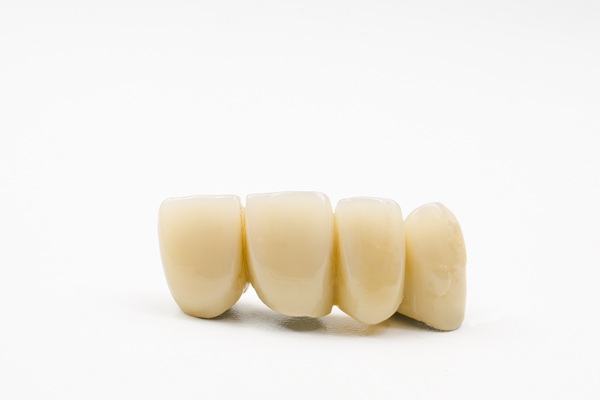
A dental bridge is a popular solution to replace one or more missing teeth, restoring the function and appearance of your smile. However, you may be wondering how long a dental bridge will last. While several factors will influence the longevity of the dental bridge, understanding the expected lifespan and necessary care can help you make informed decisions about your dental health.
The average lifespan of a dental bridge
The lifespan of a dental bridge varies based on several factors, including oral hygiene practices, material quality, and the amount of professional maintenance. A well-maintained traditional dental bridge can last between five and fifteen years. In some cases, bridges can last a lifetime, particularly when crafted from high-quality materials (e.g., gold and metal alloys) and cared for properly with regular brushing and flossing.
Factors that influence the longevity of dental bridges
Several factors contribute to the durability of a dental bridge. One of the significant factors is the material of the bridge. Dental bridges can contain materials like porcelain-fused-to-metal, offering strength and cosmetic benefits. Meanwhile, all-ceramic options provide a natural appearance but may lack durability. Zirconia bridges are also noted for their strength and biocompatibility, making them ideal for patients with metal allergies.
Additionally, oral hygiene is an essential part of ensuring the dental bridge lasts as long as possible. Regular brushing and flossing can help prevent plaque buildup and gum disease. Gum disease can weaken supporting teeth and ultimately shorten the bridge's lifespan. Patients should also go to regular dental visits so their dentist can monitor the condition of their bridge. They can identify potential issues early on and recommend necessary maintenance before the patient needs more extensive treatment.
Caring for and maintaining the dental bridge
Maintaining a dental bridge requires the patient to commit to good oral hygiene. Brushing twice daily with fluoride toothpaste and using string floss or dental bridge cleaners can help remove debris and prevent decay in the supporting teeth. Additionally, antiseptic mouthwash can help prevent bacteria from accumulating, which can contribute to gum disease.
How to enhance the lifespan of a dental bridge
To maximize the longevity of a dental bridge, patients should adopt certain habits. For example, a soft-bristled toothbrush prevents excessive wear on the bridge's surface. Avoiding sticky and overly hard foods can also help the patient, putting unnecessary strain on their new restoration. Instead, consuming a balanced diet rich in vitamins and minerals supports the patient's oral health, improving the bridge's long-term stability.
When it is time to get a dental bridge replaced
Over time, even a well-cared-for dental bridge might need to be replaced. The following signs indicate that a dental bridge needs replacement:
- Visible damage (cracks, chips, and general wear-and-tear)
- Loose or shifting bridge
- Pain or discomfort when chewing or biting
- Increased sensitivity around the bridge
- Gum recession
- Swelling, redness, or bleeding gums
- Changes in bite alignment
- Bad breath
If the patient begins to notice any of the above issues, they should schedule an appointment with their dentist as soon as possible to avoid more issues.
Learn more tips about how to maintain your dental bridge
A dental bridge is a durable option to replace one or more missing teeth. However, in order to make it last, you need to take proper care of it and visit your dentist. Would you like more tips? Call our New Rochelle office to learn more about how to maintain your new dental bridge or to schedule your next appointment.
Request an appointment here: https://newrochellefamilydentist.com or call New Roc Dental: Ovral Wynter, DDS at (914) 380-4548 for an appointment in our New Rochelle office.
Check out what others are saying about our dental services on Yelp: Dental Bridges in New Rochelle, NY.
Related Posts
It is essential to replace missing teeth the moment they fall out. Failing to do so can lead to serious health issues. Teeth serve an important function: They help people break down foods, pronounce certain words and their roots keep your jawbone tissue healthy.When some of a person's teeth are missing, there are changes that…
Curious about dental fillings? Read on to learn more. Tooth cavities can be uncomfortable and a dental filling is necessary to resolve the issue. Your best bet is to prevent the condition from occurring in the first place. That requires a strict oral hygiene routine and regular dental checkups with a general dentist. Dental appointments…
Getting a dental filling for cavities can help improve your oral health. This treatment can seal the tooth and prevent future decay. Knowing how this treatment helps with cavities can convince you to keep dental appointments. Here are the details on how a dental filling can keep your tooth cavity-free.A dental filling is a dental…
A tooth extraction can restore oral health when a tooth is beyond repair. Whether you or your child is the patient, it is normal to have questions about this procedure. Learning the answers to five of the most frequently asked questions can help you feel more confident ahead of the procedure and support a smooth…