What to Avoid After Getting a New Dental Filling
A new dental filling can help restore the function and integrity of a damaged tooth. However, it is important to be mindful of aftercare practices to ensure their longevity and prevent potential complications. Avoiding certain habits and foods immediately after a dentist places a filling can protect it and the tooth. Here is what you should avoid after getting a new dental filling to help you maintain your oral health and prevent unnecessary pain and discomfort.
Chewing hard or sticky foods
One of the most important precautions is to avoid hard, crunchy, or sticky foods immediately after receiving a dental filling. Hard foods, such as nuts and candies, can place excessive pressure on the filling, increasing the risk of fractures. Sticky foods, such as caramel and chewing gum, can pull at the filling and potentially dislodge it. Opting for softer foods during the initial healing period helps prevent unnecessary stress on the treated tooth.
Consuming hot or cold beverages
Sensitivity is common after a dental filling, particularly when consuming extremely hot or cold beverages. The tooth and surrounding tissues may take time to adjust. Prolonged exposure to extremely hot or cold temperatures can trigger discomfort. Drinking lukewarm beverages instead of hot coffee or ice-cold water can help minimize sensitivity while the tooth heals. If sensitivity continues beyond the first few days after getting the filling, the patient should schedule a follow-up consultation with their dentist to rule out underlying complications.
Chewing with the treated tooth
If the dentist uses composite resin fillings, the material hardens quickly under a special light. However, some fillings, such as those made from amalgam, require several hours to fully set. Patients should avoid chewing on the treated side for at least 24 hours, which can prevent unnecessary pressure and allow the filling to stabilize. Eating soft foods and chewing on the opposite side of the mouth can help the patient protect their newly treated teeth.
Clenching or grinding teeth
Bruxism, a condition classified by teeth grinding and clenching, places excessive pressure on dental fillings, increasing the likelihood of cracks or wear. Those who grind their teeth, especially when sleeping at night, should consider using a night guard to protect their dental fillings. Managing stress and using relaxation techniques can help reduce clenching and grinding. If bruxism is severe, consulting a dentist can prevent further damage.
Not following proper oral hygiene practices
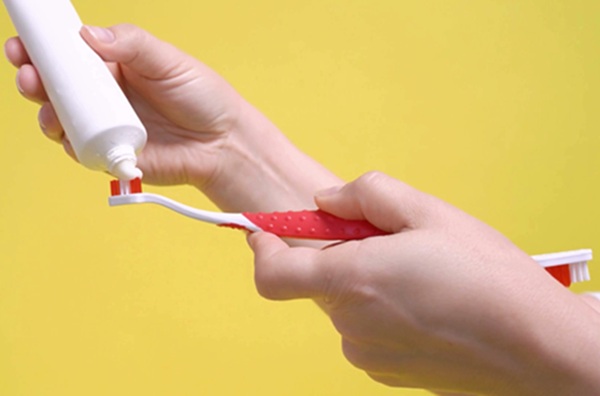
Patients can still practice their normal oral hygiene practices after getting a filling. However, brushing and flossing aggressively around the treated area can cause irritation. Instead, patients should use a soft-bristled toothbrush and gentle strokes to clean the area without disturbing the new filling. Additionally, they should be careful flossing to prevent potentially dislodging the restoration.
Avoiding follow-up dental appointments
After getting a dental filling, the patient may need to attend follow-up appointments to ensure it is properly placed and comfortable. They should not ignore any discomfort or think it will go away on its own, as this can lead to issues later. Common issues after getting a dental filling include:
- Pain or discomfort when chewing or biting
- Heightened sensitivity
- Uneven bite or filling material
- Visible damage or fractures
- Nerve irritation
- Allergic reaction
Scheduling a follow-up evaluation with a dental professional can help prevent further problems and ensure the patient's new filling works as designed.
Protect your new filling and smile
Taking the necessary precautions after receiving a dental filling can help extend its lifespan while promoting your overall health. Do you have questions for the New Roc Dental: Ovral Wynter, DDS team about how to care for your new filling? Call our New Rochelle office for more information.
Request an appointment here: https://newrochellefamilydentist.com or call New Roc Dental: Ovral Wynter, DDS at (914) 380-4548 for an appointment in our New Rochelle office.
Check out what others are saying about our dental services on Yelp: Composite Fillings in New Rochelle, NY.
Related Posts
Your general dentist will discuss your dental filling treatment during the consultation. This visit will explain the process of getting this restoration. It is a chance for you to ask the right questions about it. Here are the types, possible problems, and things to look forward to from a dental filling treatment.The general dentist will…
Treating a cavity with a dental filling early can prevent the condition from worsening. The ideal time to do this is when the individual is still young. But older individuals can still get early cavity treatment. Here are the details on how an early dental filling treatment can lead to a lifetime of healthy smiles.Studies…
Dental fillings are one of the most common treatments provided by general dentists. They can restore teeth affected by decay, returning the smile’s full function and appearance. For those new to the process, understanding what to expect can help make the experience smoother and less daunting.Dental fillings repair teeth damaged by cavities or minor fractures.…
Anyone may need a dental filling at any time. That is why regular visits to the general dentist are crucial in early cavity detection. Knowing the signs can get you the help you need in time. Here are the signs that you may, indeed, need a dental filling.A visible hole in the tooth is a…